

行业资讯
Optimized Sea Freight Solution for E-commerce Clients
Overview
In response to the rapid expansion of global online trade, logistics providers have unveiled an optimized sea freight solution specifically designed for e-commerce clients. The new offering seeks to bridge the gap between traditional ocean shipping and the dynamic, time-sensitive demands of online retail. By integrating advanced planning tools, flexible consolidation models, and enhanced visibility, the solution aims to deliver a more dependable and cost-effective alternative for businesses looking to scale their international operations. This development marks a significant step forward in the logistics industry’s ongoing effort to adapt maritime transport to the digital economy.
Addressing the Unique Needs of E-commerce
E-commerce businesses have long struggled to find a sea freight option that aligns with their operating realities. Conventional ocean shipping is often characterized by fixed schedules, large minimum volume requirements, and limited end-to-end tracking. For smaller and mid-sized online sellers, these constraints can lead to overstocking, stockouts, or delayed deliveries that damage customer trust. The optimized solution is built around the understanding that e-commerce demands flexibility, granular visibility, and the ability to manage inventory in smaller, more frequent batches without sacrificing freight cost efficiency.
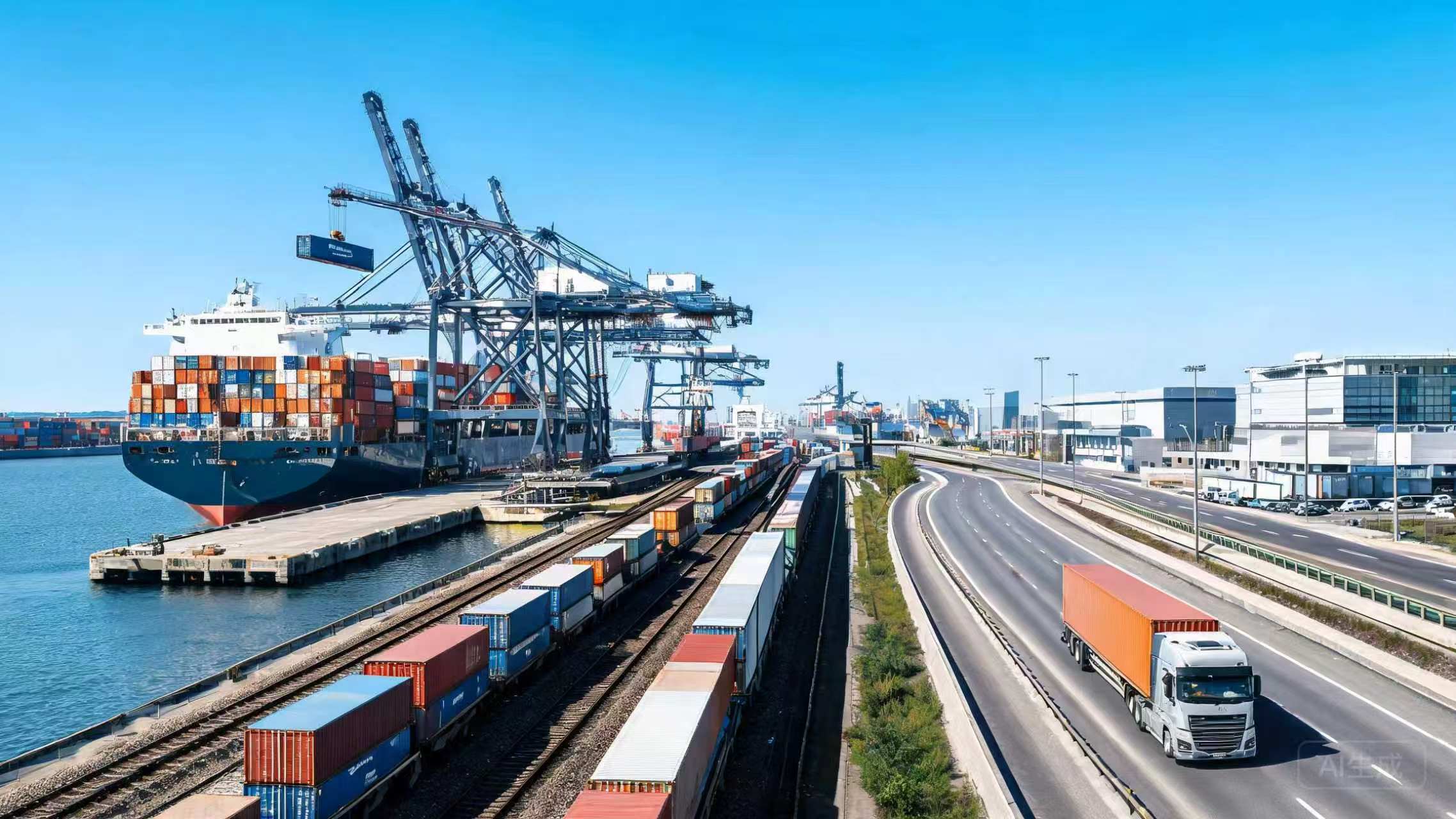
The new model responds to these requirements by introducing a more modular approach to container utilization. Instead of forcing all clients to book a full container, the solution supports shared container space, allowing multiple e-commerce shipments to be consolidated within the same voyage. This lowers the entry barrier for smaller players while preserving the cost advantages inherent to sea freight. Furthermore, the system offers adjustable departure windows and routing alternatives, giving shippers greater control over the balance between speed and economy.
Key Features of the Optimized Solution
The core elements of this new service have been engineered to address common friction points in cross-border e-commerce logistics. The following features distinguish the optimized sea freight solution from traditional offerings:
- Consolidated cargo loading: Clients can book shared container space, enabling cost-sharing and reducing the financial risk associated with unused volume.
- Real-time shipment visibility: A digital platform provides continuous updates on cargo location, estimated arrival windows, and any potential disruptions, allowing e-commerce managers to communicate accurate delivery expectations to their customers.
- Dynamic routing options: The solution adapts to seasonal trade flows, port congestion, and weather patterns, rerouting shipments through alternative ports or transshipment hubs when necessary.
- Simplified customs handling: Pre-screening of documentation and digital submission of customs forms are embedded in the process, helping to minimize clearance delays and avoid unexpected fees.
- Warehouse integration: The sea freight service connects directly with regional distribution centers, enabling smoother transfers from port to final mile delivery networks.
These features are not standalone add-ons but are designed to work together as an integrated ecosystem. For instance, dynamic routing relies on real-time visibility data, while simplified customs handling benefits from consolidated cargo loads that reduce the number of individual declarations. This synergy creates a more predictable shipping experience, which is essential for e-commerce platforms that must maintain high service levels across many product categories.
Operational Benefits for E-commerce Businesses
For online retailers, the optimized sea freight solution brings several concrete operational advantages. One of the most notable is the improvement in inventory management. With more frequent, smaller shipments enabled by consolidation, businesses can adopt a just-in-time replenishment strategy without exposing themselves to the high unit costs typically associated with air freight. This reduces the need for large upfront capital commitments in warehousing and stock, freeing up cash flow for other growth initiatives.
Another key benefit is the enhancement of the customer experience. While sea freight is inherently slower than air transport, the transparency offered by the new solution allows businesses to set accurate delivery promises and manage expectations proactively. Real-time alerts mean that even when a delay occurs, customers can be notified in advance, which significantly reduces the volume of support inquiries and increases overall satisfaction. The reliability of a well-managed ocean route also helps e-commerce brands avoid the reputational damage caused by unpredictable delivery windows.
Cost performance remains a central pillar of this solution. By optimizing container utilization, selecting efficient port pairs, and reducing manual administrative work, the service manages to lower the total logistics cost per unit. This is especially critical in the current environment, where rising fuel prices and port fees have placed pressure on thin e-commerce margins. As a result, the solution allows businesses to remain competitive on pricing while preserving profitability.
Integration and Implementation
Adoption of the optimized sea freight solution is designed to be straightforward for e-commerce platforms of all sizes. The logistics provider offers a digital onboarding process that connects the client’s existing order management system or enterprise resource planning software to the shipping platform. Once integrated, users can generate bookings, upload shipping documents, and receive quotes through a single interface. This reduces the need for manual data entry and minimizes the risk of errors that often occur when information is transferred between multiple systems.
For businesses without advanced internal systems, the provider supplies a web-based dashboard that delivers the same visibility and control without requiring complex technical integration. E-commerce teams can track each shipment, download clear documentation, and manage exceptions directly through the portal. This flexibility ensures that the solution is accessible not only to major enterprises but also to small and emerging online sellers.
Outlook and Future Developments
The introduction of this optimized sea freight solution reflects a broader industry trend toward digitalization and customer-centric logistics. As international e-commerce continues to grow, the demand for shipping options that combine cost efficiency with operational flexibility will only increase. The current solution is structured to evolve, with planned enhancements in the areas of predictive analytics, automated exception handling, and carbon footprint reporting. These future developments aim to further align maritime freight with the sustainability goals that are becoming central to e-commerce brand strategies.
In conclusion, the new optimized sea freight solution offers e-commerce clients a practical and forward-looking answer to the complexities of global shipping. Through consolidation, digital visibility, and adaptive routing, it addresses the core pain points of cost, speed, and reliability. While no single shipping mode can perfectly satisfy every requirement, this solution demonstrates how sea freight can be reinvented to play a central role in the omnichannel fulfillment networks of the future. Companies that adopt this approach are likely to gain a competitive edge, not only through direct cost savings but also through stronger supply chain resilience and improved customer trust. As the digital transformation of logistics continues, such innovations will become essential tools for any serious player in the global e-commerce landscape.